
The Power of Play: How Everyday Moments Shape Your Baby’s Brain
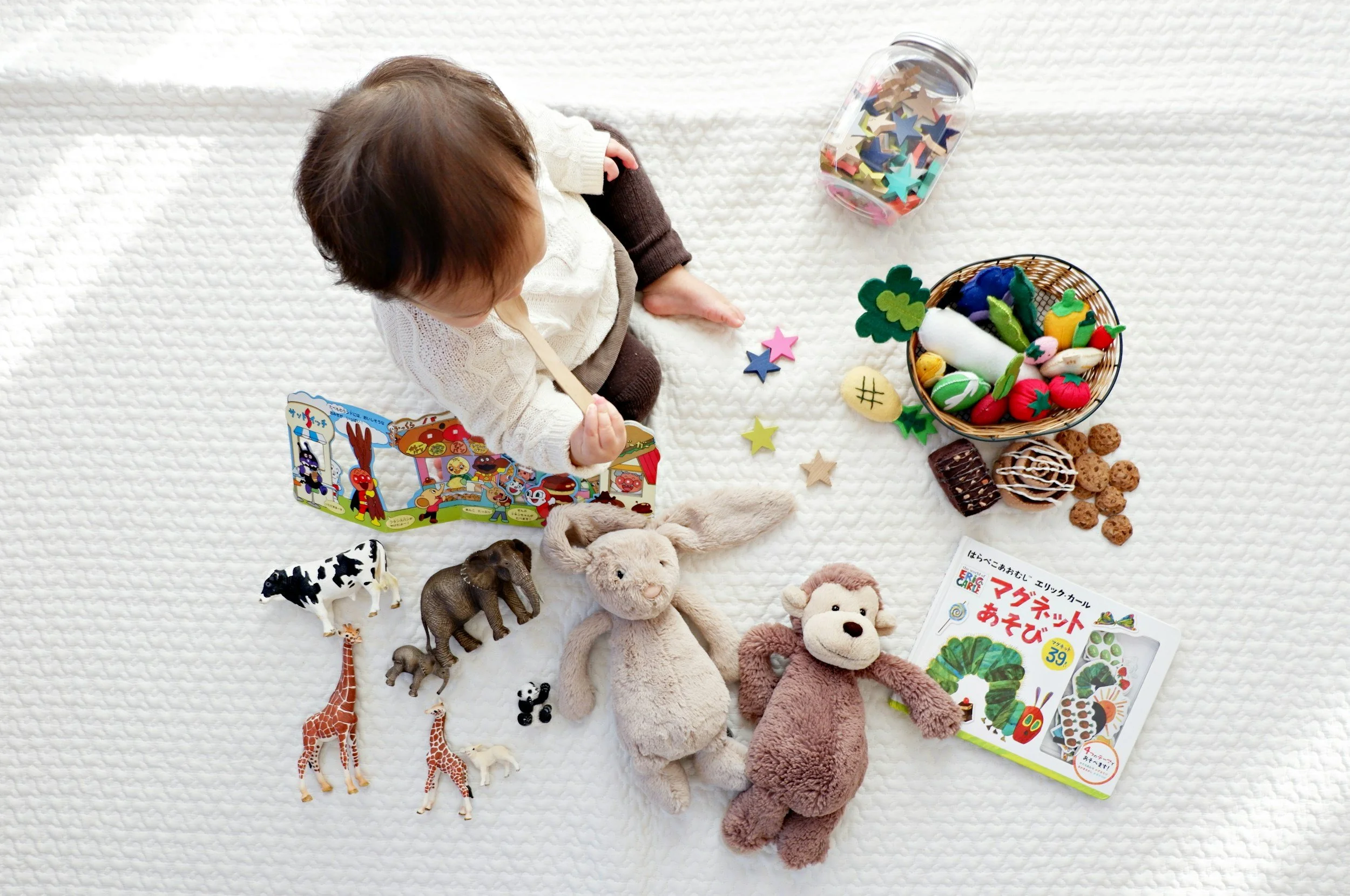
From the moment your baby is placed in your arms, they are learning. Even before they can lift their head, grasp a toy, or say a word, their brain is forming pathways that support communication, cognition, emotional development, and self-regulation.
At Listen Love Learn Baby!, we believe play isn’t optional — play IS learning. Play builds the brain, strengthens attachment, and creates joyful opportunities for growth and development.
WHY PLAY MATTERS
Play is a baby’s natural way of exploring the world. Simple interactions — shaking a toy, watching movement, reaching, cooing — support complex development.
Cognition: Babies learn cause-and-effect, attention, problem-solving, and memory.
Communication: Every coo, look, sound, and pause builds early language.
Social-Emotional: Play nurtures bonding, trust, and the beginnings of emotional regulation.
Fine Motor: Reaching, grasping, and swiping build hand control needed later for writing and school tasks.
ATTACHMENT & SELF-REGULATION
Warm, responsive interactions help babies feel safe. When babies feel safe, their brains shift intolearning mode. Following your baby’s gaze, pausing for their response, smiling, and playing together strengthen self-regulation and emotional resilience.
WHY WE TALK TO BABIES BEFORE THEY TALK BACK
Babies understand language long before they speak. Talking to your baby builds neural pathways for vocabulary, sound discrimination, memory, and comprehension. Even coos, smiles, and kicks are early conversational turns.
WHY THESE TOYS (BIRTH–6 MONTHS)
The toys recommended in Listen Love Learn Baby! are chosen intentionally because they are:
Visually clear
Tactilely interesting
Developmentally simple
Perfect for cause-and-effect
Supportive of tracking, reaching, and grasping
Designed to pair language with visual and motor input
MULTI-SENSORY LEARNING: WHY BABIES NEED LANGUAGE + TOUCH + MOVEMENT
Learning is strongest when sensory systems work together. A baby who sees a cup, hears “cup,” and touches the cup is building a deep, lasting understanding.
HOW MANY WORDS SHOULD A BABY HEAR EACH DAY?
Babies thrive when language is woven into daily routines. There is no magic number — what matters is quality: warm, responsive, face-to-face interaction.
LISTENING LANGUAGE SKILLS NEEDED FOR KINDERGARTEN
Skills start forming at birth: attention, turn-taking, vocabulary, understanding simple words, following routines, sound awareness, and early problem-solving.
These become the foundation for reading, writing, friendships, and classroom learning.
YOU ARE YOUR BABY’S MOST IMPORTANT TEACHER
Every shared smile, coo, sound, reach, or cuddle is shaping your baby’s brain for life.